Is This AI Image Editor Worth It in 2026? My Honest Hands-On Review
Let’s be real: as someone who’s written over 500 blog posts and managed content for half a dozen SaaS startups, I’ve spent way too many hours wrestling with Photoshop just to resize a hero image or remove a distracting background. And if you’re a marketer or solo blogger, you know that feeling—you’re not a designer, but you need visuals that don’t scream “made in 2007.”
That’s why I decided to give a well-known AI image editor a serious test run. The promise? Professional-grade edits in seconds, no design degree required. As someone who’s evaluated dozens of AI tools over the past decade—from copy generators to SEO analyzers—I approached this with healthy skepticism. But after two weeks of daily use, I was genuinely surprised.
This is my hands-on AI image editor review, based on real tasks I needed to complete for client work, social media, and my own newsletter. No fluff, no hype—just what worked, what didn’t, and whether it’s worth your time (and money) in 2026.
What Can This AI Image Editor Actually Do?
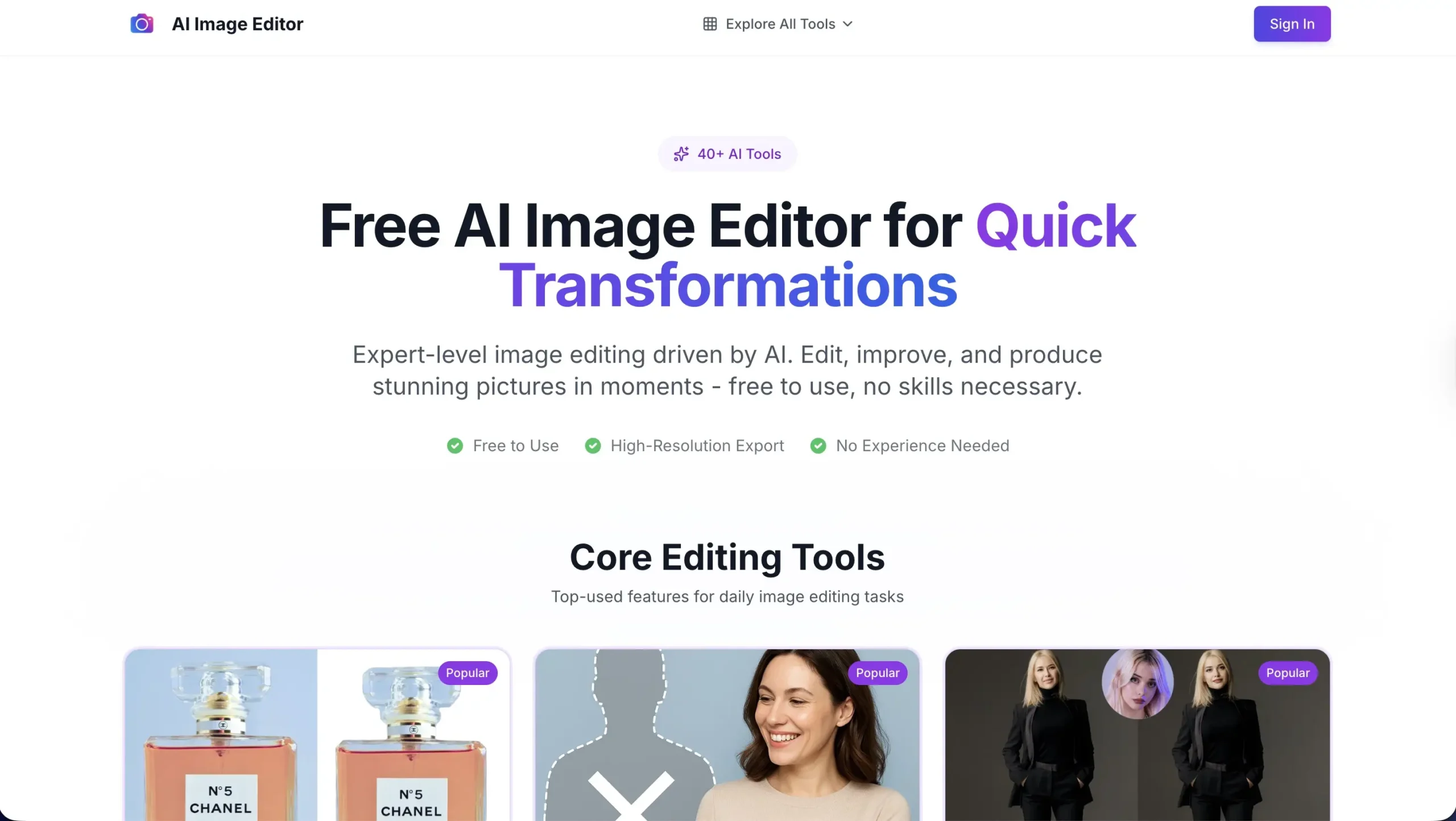
The tool I tested—AI Image Editor—is built for non-designers who need fast, clean visual assets. It uses generative AI and smart automation to handle common editing tasks without layers, masks, or confusing menus. Here’s how it breaks down for marketers, bloggers, and SaaS teams:
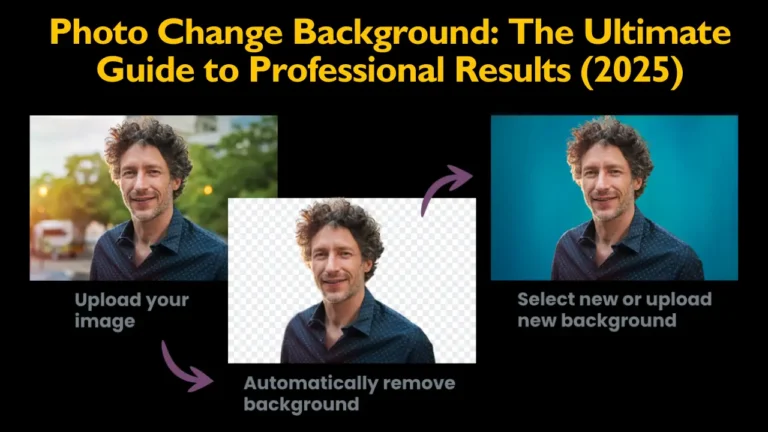
- Background Removal & Replacement: One-click removal with edge detection so sharp it handled flyaway hair and transparent glass. I swapped plain backgrounds for branded gradients in under 10 seconds—perfect for LinkedIn headshots or product shots.
- AI-Powered Resizing & Cropping: Automatically adapts images to platform specs (Instagram post vs. Twitter header vs. email banner). Saved me from manually creating 3 versions of the same graphic.
- Text-to-Image Generation: Type a prompt like “minimalist SaaS dashboard mockup on light gray background” and get usable placeholder visuals. Not DALL·E quality, but great for wireframes or internal decks.
- Smart Object Removal: Deleted unwanted logos, watermarks, or photobombers seamlessly. Worked 90% of the time; the other 10% needed minor touch-ups.
- Batch Editing: Upload 20 product photos, apply the same crop + filter + background change to all at once. Huge time-saver for e-commerce or case study galleries.
- Brand Kit Integration: Save your fonts, colors, and logo overlays so every output stays on-brand. Critical for SaaS companies rolling out consistent campaign visuals.
For bloggers, this means turning a smartphone photo into a polished featured image in minutes. For marketers, it’s rapid iteration on ad creatives. And for SaaS founders? Faster landing page updates without waiting on design resources.
Pricing & Plans
After digging into AI Image Editor’s pricing page, here’s the breakdown as of early 2026:
- Free Plan:
- 50 credits/month (1 credit ≈ 1 edit)
- Basic background removal and resizing
- Watermarked exports
- Good for testing, but not sustainable for regular use
- Pro Plan – $12/month (billed annually):
- 1,000 credits/month
- Full feature access (object removal, batch editing, brand kits)
- No watermark
- Priority rendering
- Ideal for solopreneurs, bloggers, or small marketing teams
- Team Plan – $29/month per user:
- Unlimited credits
- Shared brand kits & asset libraries
- User roles and approval workflows
- Best for agencies or growing SaaS companies
They also offer a 7-day free trial of the Pro plan—no credit card required—which is how I started.
Is it worth it? At $12/month, yes—if you’re editing more than 5–10 images a week. I calculated that I saved about 4–6 hours monthly compared to outsourcing or DIYing in Canva/Photoshop. That’s easily $100+ in reclaimed time.
My Real-World Results: From Blog Headers to Ad Creatives
Here’s exactly how I used it:
- Blog Featured Images: I generated 8 custom headers for my SaaS newsletter using text prompts + brand colors. Previously, I’d either reuse old graphics or pay a freelancer $25/image. Total time now: ~20 minutes for all 8.
- LinkedIn Carousel Graphics: Used batch editing to resize 12 stats-based slides into the correct 1080×1080 format, added consistent font overlays, and exported in one click.
- Product Demo Screenshots: Removed browser chrome, added subtle drop shadows, and placed screenshots on device mockups—all automated.
- Ad Variations: Created 5 versions of a Facebook ad by swapping backgrounds and CTAs using the brand kit. Launched A/B tests same-day.
No, it didn’t replace a senior designer for complex illustrations. But for 80% of my day-to-day visual needs? It cut my workflow in half. And the output looked clean enough that readers never guessed it was AI-assisted.
Pros and Cons: The Unfiltered Truth
Pros:
✅ Speed: Edits that took 15 minutes now take 30 seconds.
✅ Consistency: Brand kits ensure every image aligns with guidelines.
✅ Low Learning Curve: My intern mastered it in under an hour.
Cons:
❌ Credit System Can Be Opaque: Some actions (like high-res exports) cost extra credits—watch your usage.
❌ Limited Advanced Editing: No layer support or vector tools. Don’t expect Photoshop-level control.
It’s not magic—but it’s the closest thing we have for non-designers who need reliable, fast visuals.
How It Stacks Up Against Competitors
Compared to Canva’s AI tools, this editor offers more precise object removal and better batch processing. Canva’s great for templates, but its background eraser often leaves halos.
Versus Adobe Firefly, it’s far simpler and cheaper—but lacks deep integration with Creative Cloud. If you’re already in Adobe’s ecosystem, Firefly might make more sense. But for standalone, task-focused editing? This AI image editor wins on ease and speed.
Who Is This AI Image Editor Best For?
- Solo bloggers tired of generic stock photos
- Growth marketers running weekly ad campaigns
- SaaS founders updating landing pages without design help
- Content agencies needing fast turnarounds for clients
If you’re editing visuals more than once a week and don’t have in-house design support, this tool pays for itself.
Final Verdict: Should You Try It?
Yes—if you value your time and want professional-looking visuals without the learning curve. It won’t replace a human designer for brand identity work, but for executional tasks? It’s a game-changer.
My recommendation: Start with the free trial. Test it on a real project—maybe your next blog header or social post. If it saves you even an hour, the Pro plan is a no-brainer.
This review is based on my own experience. If you sign up through my link, I may earn a small commission—at no extra cost to you.
FAQ: AI Image Editor Questions, Answered
What is an AI image editor used for?
It automates common photo editing tasks like background removal, resizing, object deletion, and basic graphic generation—ideal for marketers, bloggers, and SaaS teams who aren’t designers.
How much does the AI image editor cost?
Plans start at $12/month (billed annually) for 1,000 credits. There’s also a free tier with 50 credits/month and a 7-day Pro trial.
Is there a free version or trial?
Yes! You get 50 free credits monthly, plus a 7-day free trial of the Pro plan—no credit card needed.
Is this AI image editor good for SEO and content creation?
Indirectly, yes. Fast, custom visuals improve engagement and reduce bounce rates—both SEO signals. Plus, unique images avoid duplicate content issues from stock photos.
How does it compare to Canva or Adobe Firefly?
It’s faster and more precise for background/object editing than Canva, and simpler/cheaper than Firefly—but lacks advanced design features.
Is the AI image editor beginner-friendly?
Absolutely. The interface is intuitive, and most edits require just one or two clicks. My non-techy clients picked it up instantly.
Is the AI image editor worth it in 2026?
If you regularly create visual content and lack design support, yes. At $12/month, it pays for itself in saved time and improved output quality.